Simulation LAB

How does HAMTTA create digital twins?

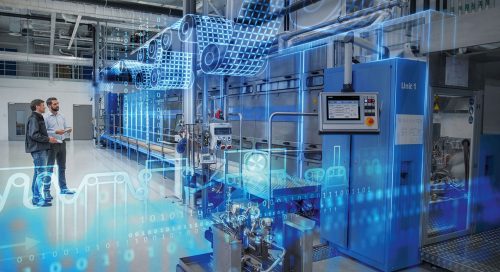
A digital twin of an object is far more than a computer-aided design (CAD) model. A digital twin is the CAD model plus lots of data, including simulation data, manufacturing data, and often feedback on the product’s performance over time. Any data relating to a product or a part can be folded into its digital twin.

Using the software, can carry out simulations and tests on the digital twin and eliminate the need for multiple physical prototypes. Using sensor data, manufacturers can track and trace the conditions inside the 3D printer making a part. With every new layer and source of data, the digital twin becomes more complete.
Simulation LAB

The difference between a simulation and a digital twin

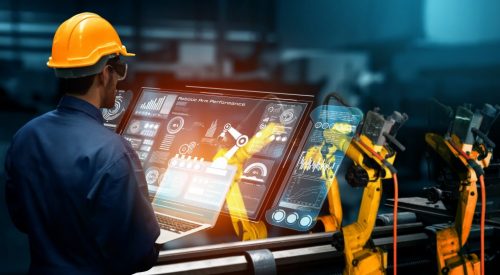
First, let’s be clear: Although simulation technology and digital twins share the ability to execute virtual simulations, they are not the same. While traditional simulation capabilities found in computer-aided design and engineering (CAD-CAE) applications are powerful product design tools, a digital twin can do much more. In both cases, the simulation is happening on a virtual model, but the model becomes a digital twin once the product is produced. When a digital twin is powered by an Industrial Internet of Things (IoT) platform, it can receive real-world data quickly and process it, enabling the designer to virtually “see” how the real product is operating. Indeed, when powered by an IoT platform, the model becomes an integrated, closed-loop digital twin that, once fully deployed and connected via the digital thread, is a business simulation tool that can drive strategy at every stage of the business.